

Did you know that an unmaintained cleaning tool can harbor up to ten times more bacteria than a kitchen shredder? Every step in equipment maintenance directly impacts the health and efficiency of your cleaning. Discover the smart steps that will protect both your tools and your home, giving you a safer environment and worry-free cleaning.
content
- Step 1: Gather and inspect cleaning tools
- Step 2: Thoroughly clean each component used
- Step 3: Disinfect and sanitize exposed accessories
- Step 4: Dry properly and store in an organized manner
- Step 5: Check the status and prepare for next use
Quick Summary
| Key Point | Explanation |
|---|---|
| 1. Gather your cleaning tools | Gather all necessary items from your home to avoid further searches. |
| 2. Thoroughly clean each tool | Each piece of equipment must be washed properly to maintain hygiene. |
| 3. Disinfect the accessories used | Use appropriate disinfectants to eliminate bacteria and ensure a healthy environment. |
| 4. Dry and store properly | Make sure all tools are completely dry before storage to prevent mold. |
| 5. Check the status of the equipment | Examine each tool for wear and tear and prepare them for the next use. |
Step 1: Gather and inspect cleaning tools
Effective cleaning preparation starts with gathering and carefully checking all the tools and accessories you will need. This first step ensures that you have everything at hand and in good condition to perform a quick and professional cleaning.
Start the process by identifying and gathering all of your cleaning supplies in your home. Open the cabinets and storage areas where you keep mops, buckets, brushes, detergents, and other equipment. Check each tool to make sure it is functional and shows no signs of wear or damage.
Follow some important guidelines during the inspection:
- Check that the mops do not have loose or broken threads.
- Make sure the buckets don't have any cracks that could make them impassable.
- Check the condition of brushes and other cleaning accessories
- Throw away or replace items that can no longer be used effectively.
To keep your tools in top condition, check out our cleaning kit organization guide for additional tips.
Once you have gathered and inspected all the equipment, you will be ready to move on to the next stage of the cleaning process - establishing the order and strategy for cleaning the space.
Step 2: Thoroughly clean each component used
Thoroughly cleaning each tool and accessory is a crucial step in maintaining optimal hygiene and extending the life of your cleaning equipment. This step will help you remove accumulated dirt and prepare your tools for future use.
Starting the cleaning process requires a systematic approach. Separate your tools into categories: mops, brushes, buckets, and accessories. Each type of tool requires a specific cleaning method to prevent damage and maintain peak performance.
Here are some detailed instructions for effective cleaning:
- Microfiber mops should be washed separately at moderate temperatures.
- The buckets will be cleaned with special disinfectant solutions
- Brushes and accessories will be rinsed thoroughly to remove residue.
- Dry all tools completely before storage to prevent mold.
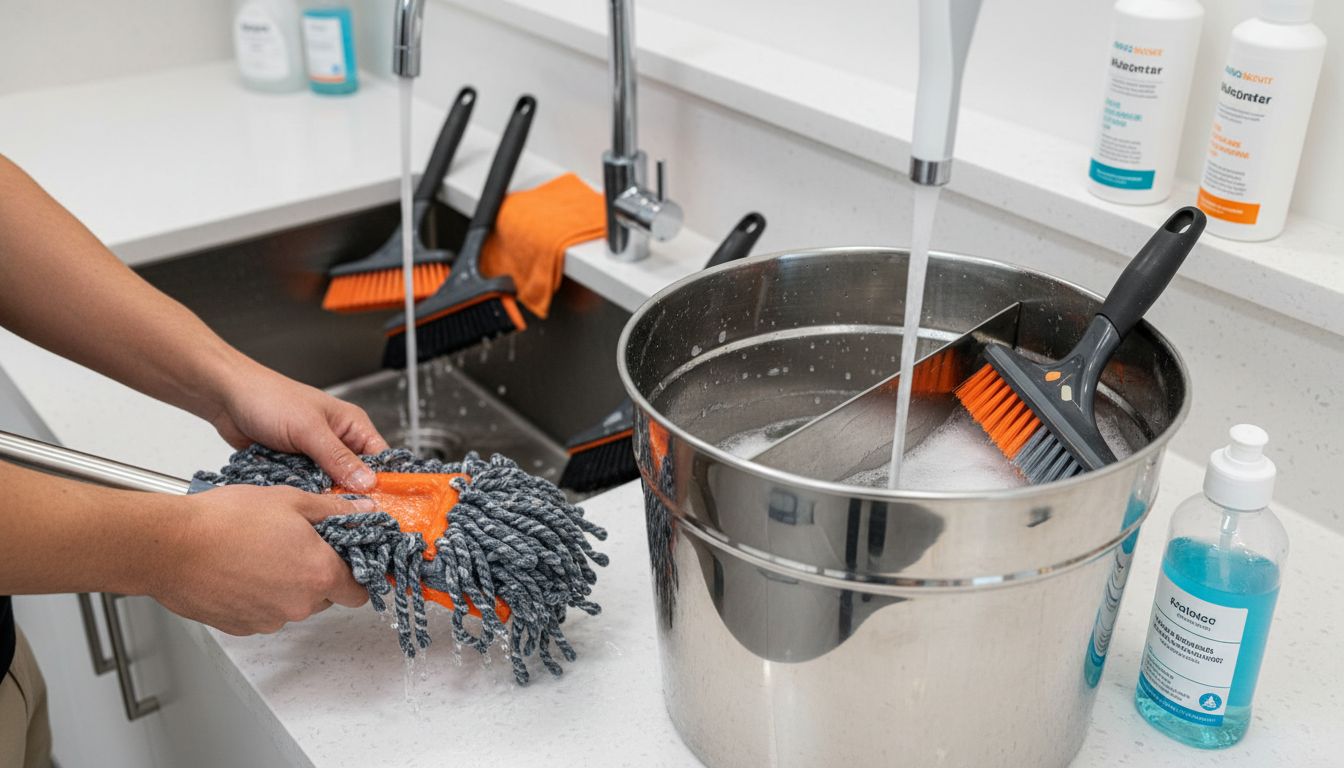
For professional cleaning methods, check out our guide to the professional cleaning process which provides detailed information and advanced techniques.
After thoroughly cleaning all components, you will have the tools ready for the next stage of the maintenance process.
Step 3: Disinfect and sanitize exposed accessories
Disinfecting and sanitizing cleaning tools is an essential step in maintaining a clean and healthy environment. This step will help you eliminate bacteria, germs, and residue that can accumulate on the surfaces of the various accessories used in the cleaning process.
The disinfection process requires a methodical approach and the use of specialized products. Select appropriate disinfectants for each type of material of your cleaning tools. Alcohol- or chlorine-based solutions are effective in destroying a wide range of microorganisms.
Recommendations for effective disinfection:
- Use protective gloves during the sanitization process
- Apply the disinfectant evenly over the entire surface of the accessories
- Let the solution act for the time specified on the packaging.
- Rinse thoroughly with clean water to remove chemical residue.
Learn more cleaning strategies in our guide to the optimal order of cleaning tasks , which provides additional information on maintaining equipment hygiene.
After disinfection, the instruments will be ready for the next use, ensuring a safe and efficient cleaning process.
Step 4: Dry properly and store in an organized manner
Proper drying and storage of your cleaning tools is the final crucial step in maintaining them in optimal condition and extending their lifespan. This process ensures that your equipment will be ready for use and will avoid degradation caused by moisture or improper storage.
To achieve effective drying, choose a well-ventilated and clean space. Spread each tool on racks or dryers that allow air circulation. Mops and cloths will be spread horizontally to dry evenly, avoiding the formation of mold or unpleasant odors.
Here are some important tips for drying and storage:
- Make sure the instruments are completely dry before storing.
- Use special supports or shelves that allow ventilation
- Separate tools into categories for easy organization
- Store in clean, dry areas away from sources of moisture.
Check out our guide to organizing your cleaning kits for additional efficient storage methods.
Once you have completed drying and organizing, the tools will be ready for the next use, maintaining a high level of hygiene and functionality.
Step 5: Check the status and prepare for next use
The final step in cleaning tool maintenance is to carefully check their condition and prepare them for future use. This step helps you identify potential problems and ensure optimal performance of your equipment.
The inspection process involves a thorough examination of each tool. Look for signs of wear and tear such as broken mop cords, cracks in buckets, or deterioration of other accessories. Identifying these issues early will allow you to replace or repair tools before they become completely inoperable.
Things to watch out for:
- Check the integrity of materials and components
- Test the functionality of mobile mechanisms
- Identify any signs of wear or damage
- Prepare spare parts or new tools if necessary
Check out our electric mop maintenance guide for additional inspection and maintenance methods.
Through this final check, you ensure that the equipment will be ready for use and will maintain a high level of cleaning performance.
Here is a comparative overview of the essential steps for maintaining cleaning tools:
| Step | Main purpose | Key action |
|---|---|---|
| Inspection | Ensures equipment functionality | Check for wear and defects |
| clean | Removes dirt and residue | Wash and rinse each tool |
| Disinfection | Eliminates bacteria and microbes | Apply disinfectant solutions |
| Drying & Storage | Prevents degradation and odors | Dry completely, store properly |
| Final check | Prepare for next use | Examine and prepare for use |
Maximize cleaning efficiency with the right tools
Proper maintenance of your cleaning tools is the key to impeccable results and savings in time and effort. If you are facing difficulties in keeping your mops, buckets or accessories clean and functional, now you can discover innovative solutions that will transform your daily routine. To ensure durability and performance over time you need products specifically designed for efficient and hygienic cleaning, which simplify the essential steps of inspection, cleaning and storage.
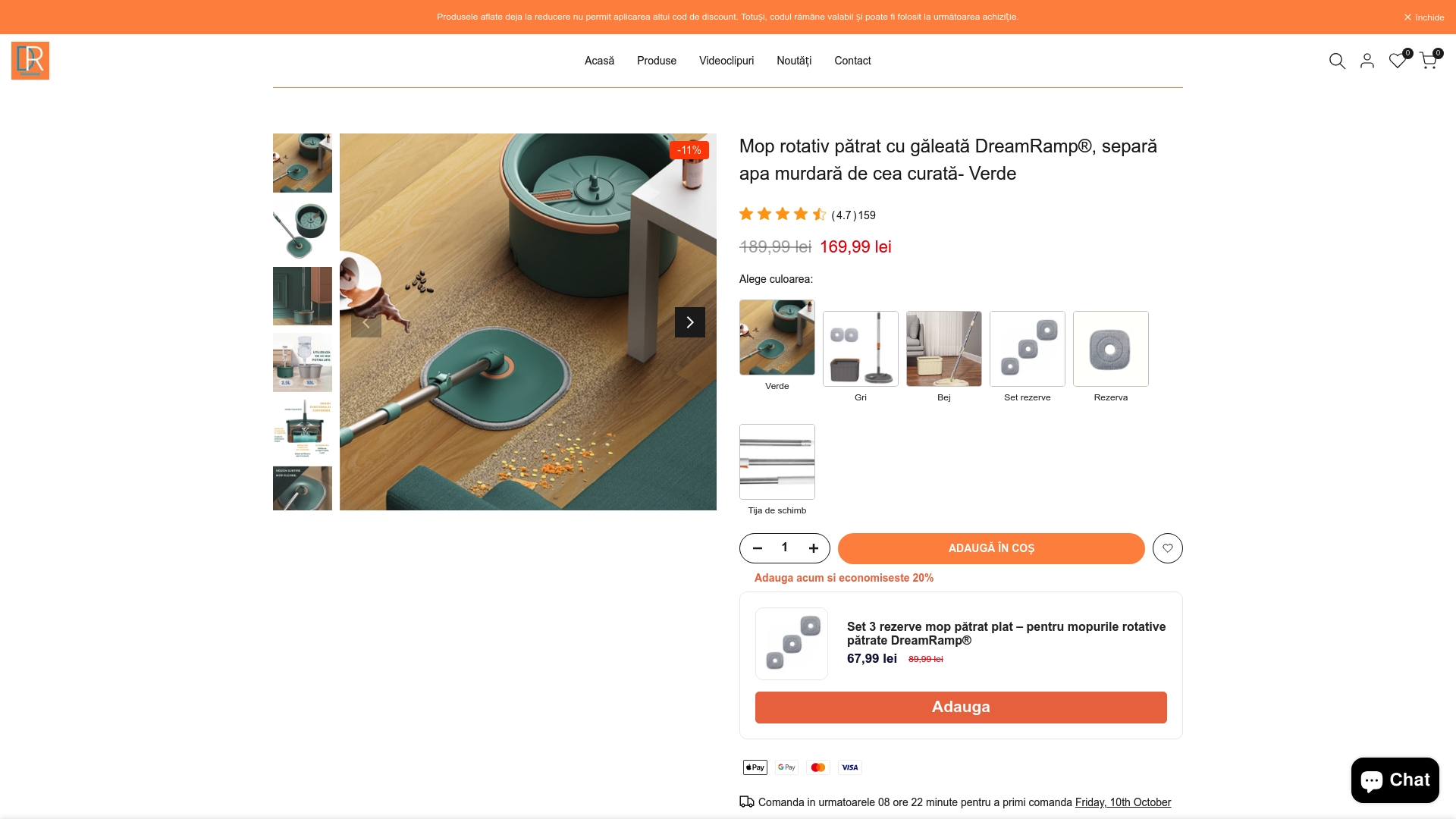
Choose practical and smart sets from our category of Mop + bucket set that separates clean and dirty water for added efficiency in the process. Complete your arsenal with specialized detergents that make the difference in deep cleaning and complete disinfection. Don't wait for problems caused by worn equipment to appear, visit the DreamRamp rotary mop product page now and invest in the tools that help you keep a clean home with minimal effort. Turn maintenance into a simple and safe process today!
Frequently Asked Questions
How can I check the condition of cleaning tools before use?
It is recommended to inspect each tool for signs of wear, such as broken threads on mops or cracks in buckets. Assess the integrity of materials and ensure that all components are functioning properly to avoid problems during cleaning.
What are the steps needed to thoroughly clean cleaning tools?
Thorough cleaning involves separating tools into categories such as mops, brushes, and buckets, then washing each category according to specific instructions. Make sure all residue is removed and tools are completely dry before storing.
How should I disinfect used cleaning accessories?
To effectively disinfect accessories, apply a suitable disinfectant to the entire surface and let it work according to the instructions on the packaging. Wear protective gloves and rinse thoroughly to remove chemical residue.
What methods are there for properly drying cleaning tools?
Proper drying involves using a well-ventilated space and laying out instruments on racks that allow air circulation. Make sure all equipment is completely dry to prevent mold from forming before storing.
How often should I check the condition of my cleaning tools?
It is advisable to check the condition of your cleaning tools regularly, ideally after each use or at least once a month. Frequent checks help identify potential problems and ensure optimal cleaning performance.
What should I do if I discover a damaged cleaning tool?
If you identify a damaged tool, take immediate action to replace or repair it, depending on the severity of the wear. This will prevent the use of inefficient equipment and ensure a maximally efficient cleaning process.


