

Did you know that over 80 percent of respiratory diseases are related to home hygiene ? Without careful sanitation, invisible particles and microorganisms can turn your home into an unsafe place for your health. With modern methods and the right tools, every space becomes safer, and the indoor air remains clean and fresh for the whole family.
content
- Definition of home sanitation and basic concepts
- The main types and methods of sanitation
- The correct step-by-step sanitization process
- Modern products and tools for sanitation
- Risks of neglecting proper hygiene
Key Points
| Point | Details |
|---|---|
| Defining Sanitation | Home sanitation is a complex process that ensures a clean and healthy environment by eliminating microorganisms and contaminants. |
| Essential methods | Using vacuum cleaners with HEPA filters and microfiber mops are essential methods for maintaining hygiene. |
| Sanitization stages | The correct process includes removing debris, washing with detergents, rinsing and drying, applied systematically. |
| The risks of poor hygiene | Neglecting hygiene can cause health problems, such as respiratory infections and allergies. |
Definition of home sanitation and basic concepts
Sanitization is much more than just surface cleaning. Home sanitization is a complex process that aims to completely eliminate dirt, microorganisms, and contaminants, ensuring a clean and healthy living environment. Understanding apartment cleaning methods becomes essential for maintaining a clean living space.
According to specialized research, sanitation involves specialized methods that go beyond visible cleanliness. It includes actions such as disinfecting surfaces, eliminating bacteria and pathogens, improving air quality, and protecting the health of those who live in the space.
The main components of home sanitation include:
- Cleaning and disinfecting all surfaces
- Complete removal of dirt and microorganisms
- Removing dust and invisible particles
- Maintaining an optimal level of hygiene in all areas of the home
For effective sanitization, it is crucial to use techniques and products appropriate for each surface and to approach cleaning systematically, ensuring that no area is left neglected.
The main types and methods of sanitation
Home sanitation involves a strategic and methodical approach that goes beyond simple routine cleaning. Understanding eco-friendly cleaning methods helps us choose the most effective and safe techniques to maintain a clean environment.
According to specialized research, there are five essential methods for sanitizing living spaces: using vacuum cleaners with HEPA filters, microfiber mops, professional steam vacuum cleaners, ventilation combined with humidity control, and cleaning frequently touched areas.
The time steps for sanitization vary depending on the needs:
- Daily : wiping surfaces, washing dishes, airing rooms
- Every 2-3 days : cleaning and disinfection of bathrooms
- Weekly : vacuuming and mopping floors, cleaning appliances
- Seasonal : general cleaning, washing curtains, cleaning windows
Critical areas that require increased attention include switches, handles, refrigerator, upholstery, and specialized cleaning and disinfection techniques and products are required for each surface.
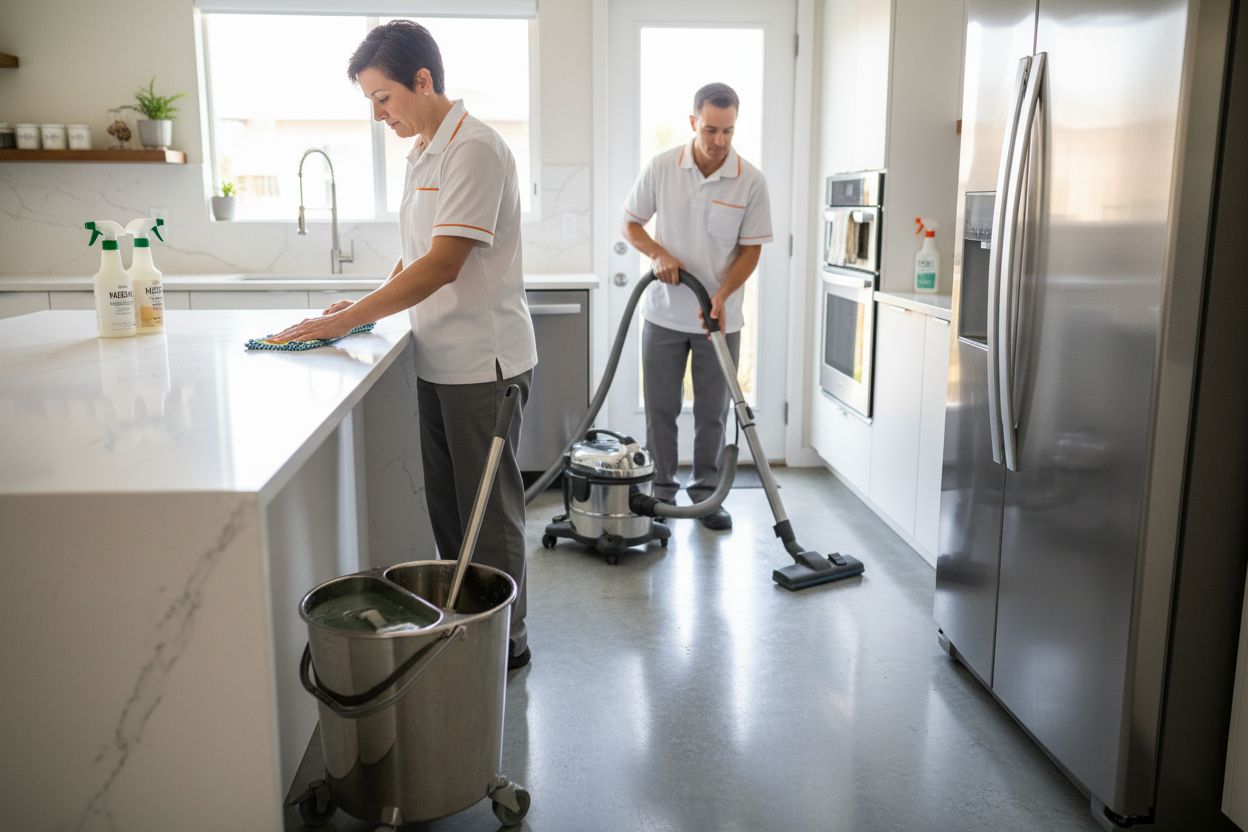
Here is a comparative presentation of the most important modern sanitation methods:
| Sanitization method | Principal advantages | Recommended use |
|---|---|---|
| Vacuum cleaners with HEPA filter | Efficient capture of allergens Improves air quality |
flooring Carpet Upholsterer's |
| Microfiber mops | Captures fine particles Reusable and environmentally friendly |
flooring Flat surfaces |
| Steam vacuum cleaners | Deep disinfection Eliminates bacteria without chemicals |
Spa KITCHENS TEXTILE |
| Ventilation + humidity control | Prevents mold Improves the air |
All rooms |
| Cleaning frequently touched areas | Reduces the transmission of bacteria Protects health |
handle BREAKERS Refrigerator |
The correct step-by-step sanitization process
Effective sanitization requires a methodical and systematic approach. Understanding the correct order of cleaning tasks is crucial to achieving professional and thorough results.
According to specialized research, the sanitization process includes four essential steps: removing debris, washing with detergents in hot water, rinsing with hot water, and drying, applied systematically from clean to dirty areas and from top to bottom.
The detailed steps of the sanitization process include:
- Space preparation
- Organizing and removing objects that can make cleaning difficult
- Selecting the right equipment and products
- Opening windows for ventilation
- The actual cleaning
- Dusting surfaces from top to bottom
- Wiping and disinfecting surfaces
- Vacuuming and sweeping
- Washing floors
- Disinfection and completion
- Application of disinfectants
- Checking all areas
- Airing and drying
The time required for each stage varies depending on the surface and degree of dirt, but following this methodology ensures professional and complete sanitation.
Modern products and tools for sanitation
Modern sanitation requires the use of the most efficient and effective technological tools. Professional mopping systems represent one of the most important innovations in the field of cleaning.
According to specialized research, modern cleaning tools include a wide range of high-performance equipment, including HEPA-filtered vacuums, microfiber mops, steam cleaners, and humidity control tools such as dehumidifiers.
Top products and tools for sanitizing include:
-
Professional vacuum cleaners
- With HEPA filter for air purification
- With steam function for deep disinfection
- With multiple accessories for different surfaces
-
Professional disinfectants
- Quaternary ammonium compounds
- Chlorine-based solutions
- Alcohol (ethanol, isopropanol)
- Hydrogen peroxide
For complete sanitation, it is essential to combine modern tools with specialized products, adapted to each type of surface and level of dirt, thus ensuring professional and efficient cleaning.
Risks of neglecting proper hygiene
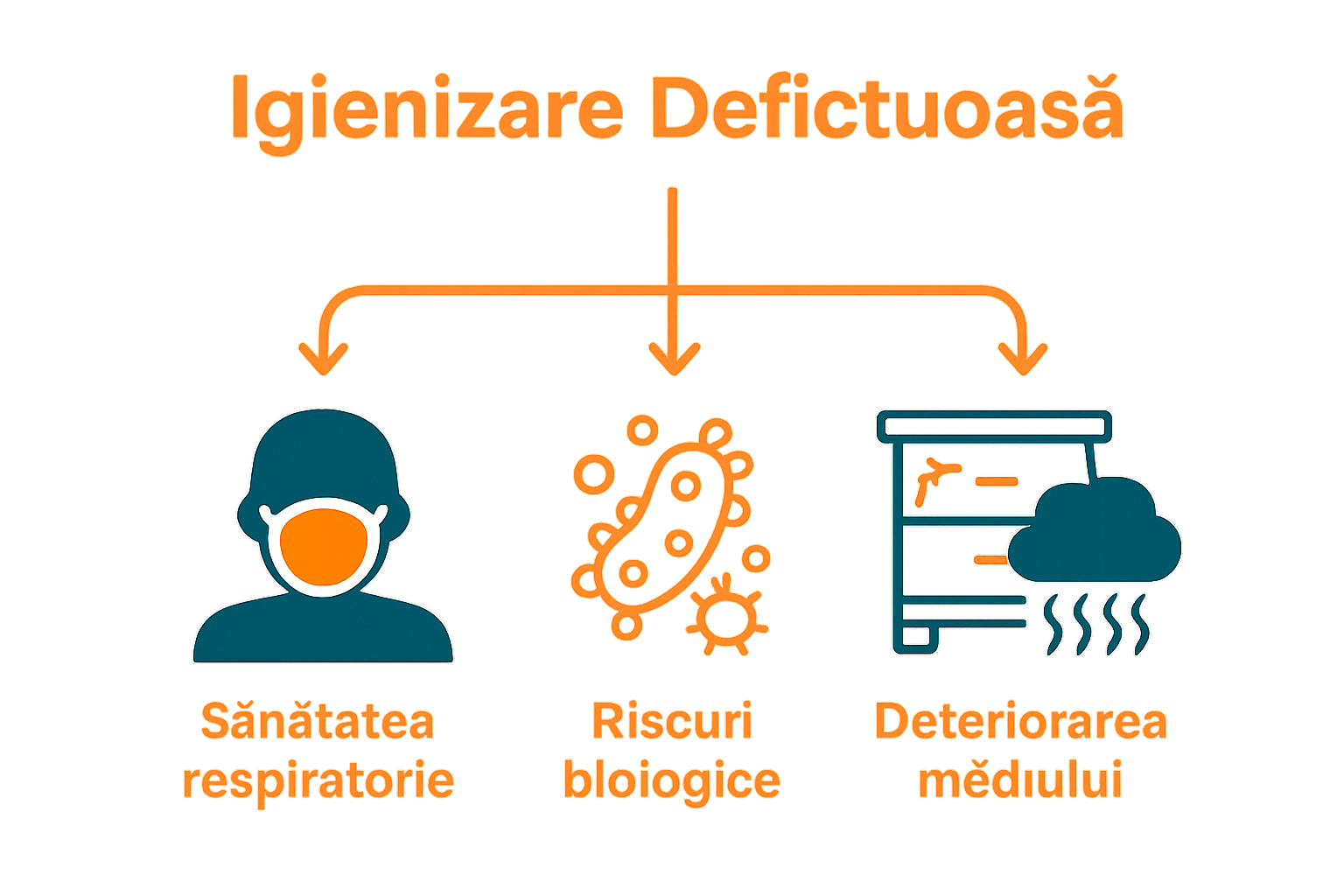
Poor hygiene poses a significant risk to the health and well-being of your family. Understanding the professional cleaning process helps us realize the importance of maintaining a clean environment.
According to specialized research, neglecting cleanliness and hygiene can dramatically increase the risk of respiratory infections and allergic reactions, caused by the accumulation of dust, bacteria, mites, and mold.
The main risks of poor hygiene include:
-
Respiratory health problems
- Increasing frequency of allergies
- Worsening of asthma
- Development of respiratory infections
-
Biological hazards
- Proliferation of dangerous bacteria
- The emergence and spread of mold
- Increased number of mites
-
Other consequences
- Rapid degradation of surfaces and furniture
- Favorable environment for vectors and parasites
- Reducing indoor air quality
Similar to the risks in the food industry, where contamination can cause food poisoning, neglecting home hygiene can create dangerous environments for the health of the entire family.
Ensure complete and effective sanitation at home
Sanitizing your home involves much more than just regular cleaning, you need specialized equipment and products that effectively eliminate bacteria and allergens from all corners of your home. To follow the correct steps of the sanitization process mentioned in the complete 2024 guide, it is essential to choose quality tools that offer professional results and reduced water and detergent consumption.
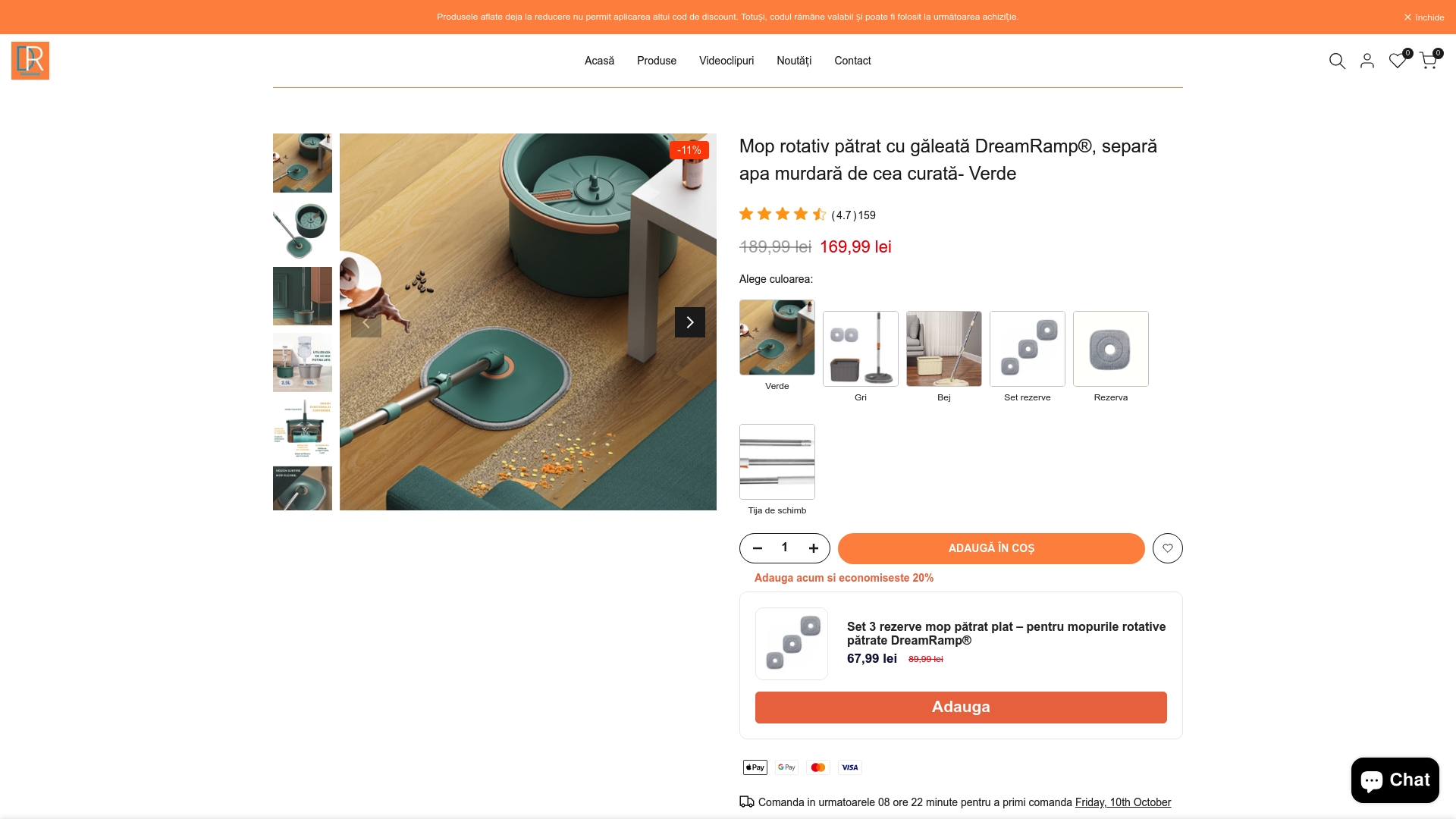
Don't delay in transforming your daily cleaning routine into a simple and efficient process with the DreamRamp rotating mop set designed for deep and hygienic cleaning. Combine it with products from our detergent collection to remove even invisible dirt and bacteria. Don't forget to improve each stage of sanitation with high-performance accessories available in the cloth category. Discover the solutions that protect your family's health and provide your home with a clean environment right now at DreamRamp.ro .
Frequently Asked Questions
What is home sanitation?
Home sanitation is a complex process that aims to completely eliminate dirt, microorganisms, and contaminants to ensure a clean and healthy environment.
Why is regular home cleaning important?
Regular sanitization prevents the accumulation of bacteria, mold, and allergens, reducing health risks such as respiratory infections and allergic reactions.
What are the most effective methods for sanitizing your home?
The most effective methods include using HEPA-filtered vacuums, microfiber mops, steam vacuums, and disinfecting frequently touched areas.
What products should I use to sanitize my home?
Recommended products include alcohol-based disinfectants, quaternary ammonium compounds, and chlorine-based solutions, adapted to each surface for effective cleaning.


